
Dept. of Neurobiology UAB
Birmingham AL
— Recent research highlights
Glutamate concentration tunes AMPA receptor function through conductance-state occupancy
G Banumurthy*, RL Pennock*, LT Coddington*, X Yan, GN Smith, LS Overstreet-Wadiche & JI Wadiche (2026). Nat. Neurosci. https://doi.org/10.1038/s41593-026-02414-w. *equal contribution
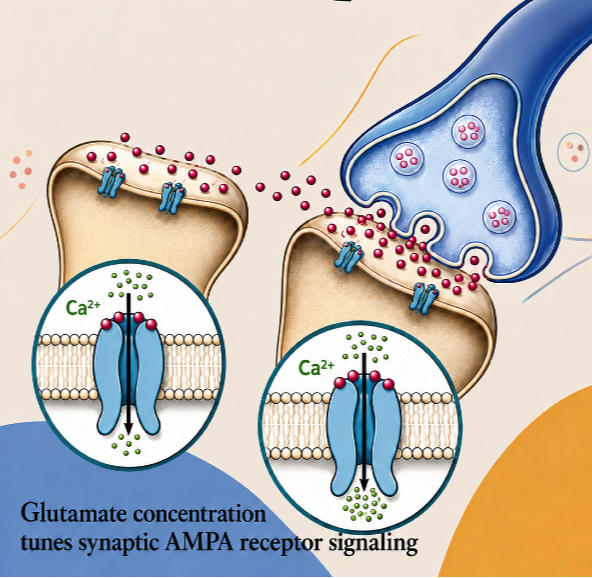
α-amino-3-hydroxy-5-methyl-4-isoxazolepropionic acid receptors (AMPARs) mediate excitatory synaptic transmission across the brain and exhibit distinct modes of opening depending on how much glutamate is bound. Despite extensive work on AMPAR conductance states and subunit composition, whether changes in glutamate levels at and around synapses regulate AMPAR function is unknown. Here we show that glutamate concentration ([glutamate]) at mouse interneuron synapses governs key biophysical features of AMPARs that are commonly used to infer subunit composition. Lower [glutamate] reduces hallmark AMPAR properties, including current–voltage rectification, polyamine block and Ca2+ permeability, highlighting a strong dependence of receptor function on synaptic [glutamate]. Recordings from isolated AMPARs combined with numerical simulations reveal differential spermine affinity across distinct conductance states and establish [glutamate], rather than solely subunit composition, as a key determinant of receptor behavior. These findings uncover a previously unrecognized mechanism through which the synaptic glutamate landscape dynamically shapes AMPAR signaling, broadening the framework for how excitatory input is encoded within neural circuits.
T-Type Ca2+ channels mediate a critical period of plasticity in adult-born granule cells
WM Kennedy, JC Gonzalez, H Lee, JI Wadiche & LS Overstreet-Wadiche (2024). J Neurosci 44:e1503232024
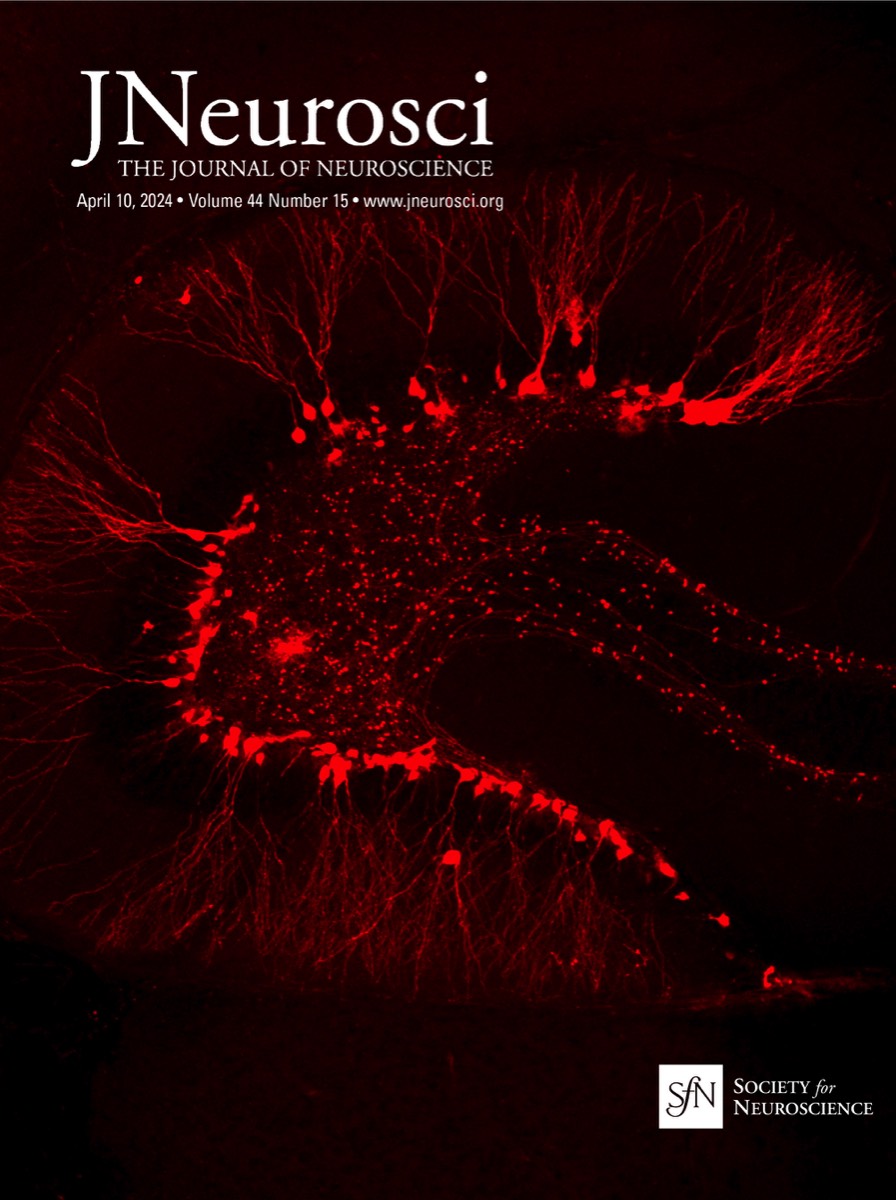
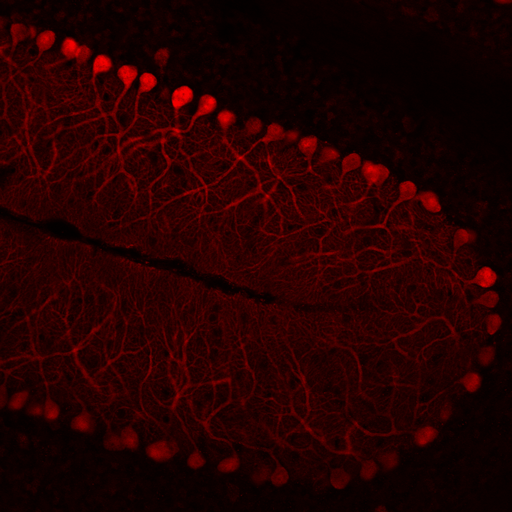
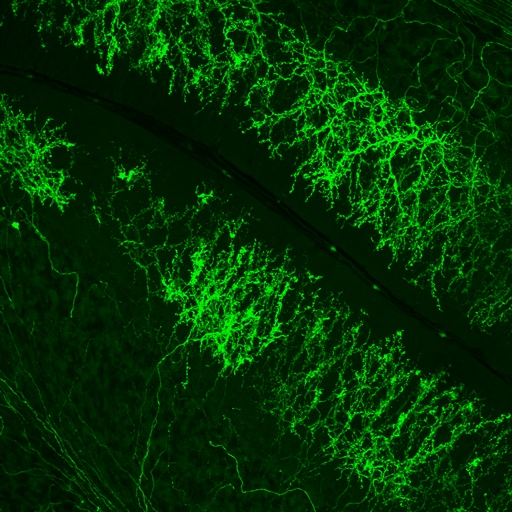
Adult-born granule cells (abGCs) exhibit a transient period of elevated synaptic plasticity that plays an important role in hippocampal function. Various mechanisms have been implicated in this critical period for enhanced plasticity, including minimal GABAergic inhibition and high intrinsic excitability conferred by T-type Ca2+ channels. Here we assess the contribution of synaptic inhibition and intrinsic excitability to long-term potentiation (LTP) in abGCs of adult male and female mice using perforated patch recordings. We show that the timing of critical period plasticity is unaffected by intact GABAergic inhibition such that 4–6-week-old abGCs exhibit LTP that is absent by 8 weeks. Blocking GABAA receptors, or partial blockade of GABA release from PV and nNos-expressing interneurons by a µ-opioid receptor agonist, strongly enhances LTP in 4-week-old GCs, suggesting that minimal inhibition does not underlie critical period plasticity. Instead, the closure of the critical period coincides with a reduction in the contribution of T-type Ca2+ channels to intrinsic excitability, and a selective T-type Ca2+ channel antagonist prevents LTP in 4-week-old but not mature GCs. Interestingly, whole-cell recordings that facilitate T-type Ca2+ channel activity in mature GCs unmasks LTP (with inhibition intact) that is also sensitive to a T-type Ca2+ channel antagonist, suggesting T-type channel activity in mature GCs is suppressed by native intracellular signaling. Together these results show that abGCs use T-type Ca2+ channels to overcome inhibition, providing new insight into how high intrinsic excitability provides young abGCs a competitive advantage for experience-dependent synaptic plasticity.
Afferent convergence to a shared population of interneuron AMPA receptors
RL Pennock, LT Coddington, X Yan, LS Overstreet-Wadiche, & JI Wadiche (2023). Nat. Commun. 14:3113
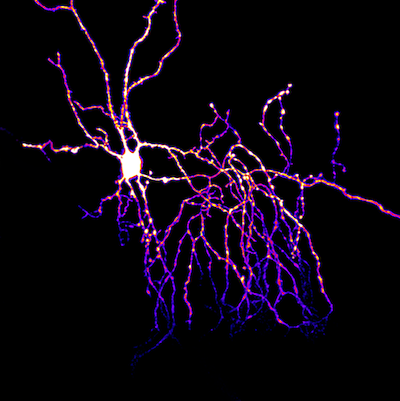
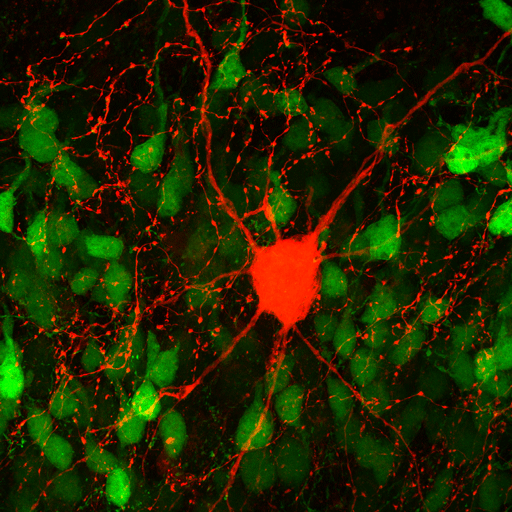
Precise alignment of pre- and postsynaptic elements optimizes the activation of glutamate receptors at excitatory synapses. Nonetheless, glutamate that diffuses out of the synaptic cleft can have actions at distant receptors, a mode of transmission called spillover. To uncover the extrasynaptic actions of glutamate, we localized AMPA receptors (AMPARs) mediating spillover transmission between climbing fibers and molecular layer interneurons in the cerebellar cortex. We found that climbing fiber spillover generates calcium transients mediated by Ca2+-permeable AMPARs at parallel fiber synapses. Spillover occludes parallel fiber synaptic currents, indicating that separate, independently regulated afferent pathways converge onto a common pool of AMPARs. Together these findings demonstrate a circuit motif wherein glutamate ‘spill-in’ from an unconnected afferent pathway co-opts synaptic receptors, allowing activation of postsynaptic AMPARs even when canonical glutamate release is suppressed.
Circadian regulation of dentate gyrus excitability mediated by G-protein signaling
JC Gonzalez, H Lee, AJ Niver, AM Vincent, AL Hill, LK Goode, GD King, KL Gamble, JI Wadiche & L Overstreet-Wadiche (2023). Cell Reports 42:112039
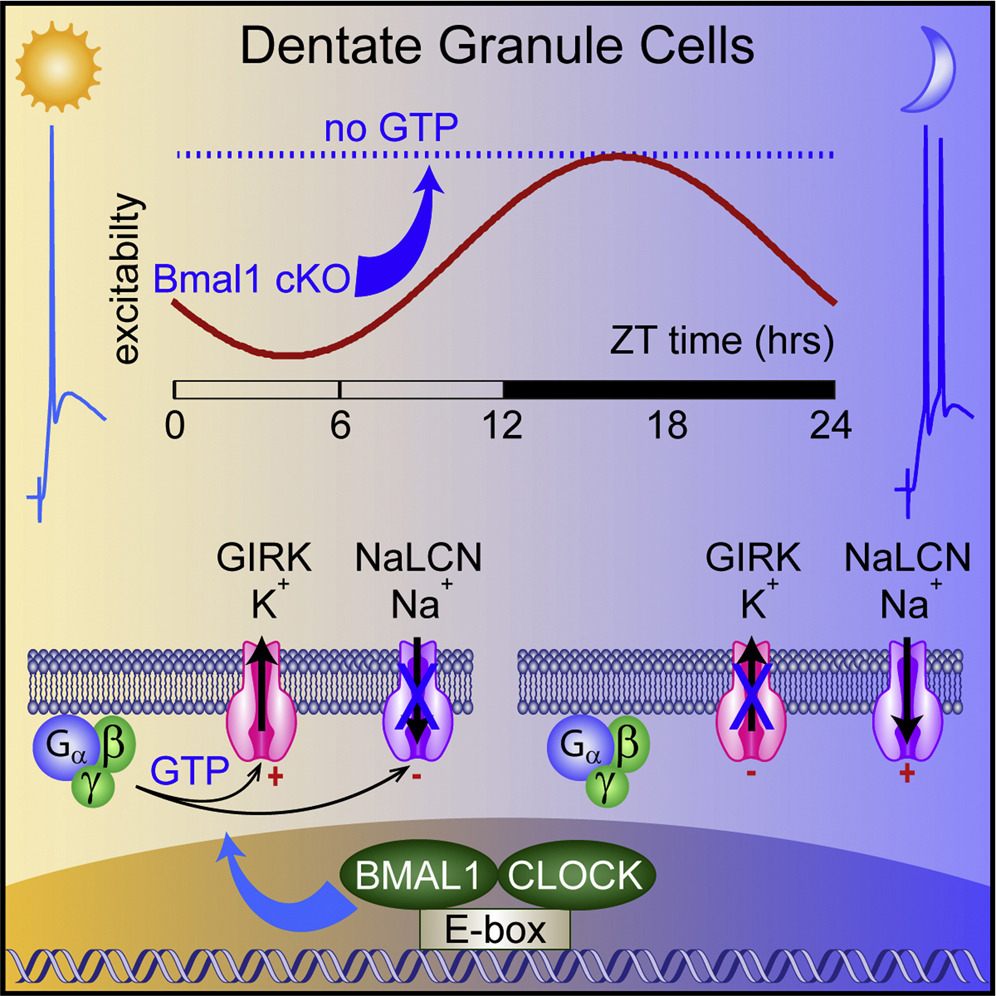
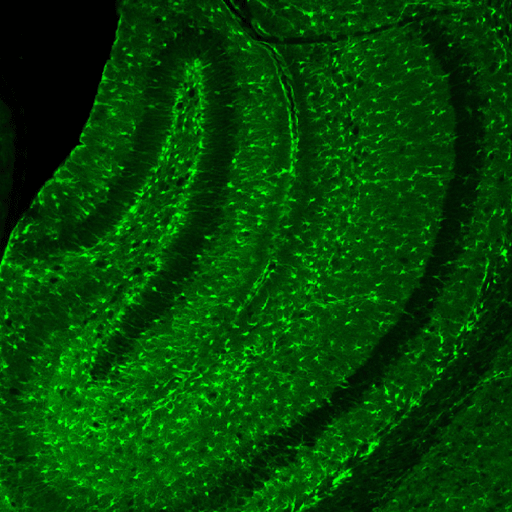
The central circadian regulator within the suprachiasmatic nucleus transmits time of day information by a diurnal spiking rhythm driven by molecular clock genes controlling membrane excitability. Most brain regions, including the hippocampus, harbor similar intrinsic circadian transcriptional machinery, but whether these molecular programs generate oscillations of membrane properties is unclear. Here, we show that intrinsic excitability of mouse dentate granule neurons exhibits a 24-h oscillation that controls spiking probability. Diurnal changes in excitability are mediated by antiphase G-protein regulation of potassium and sodium currents that reduce excitability during the Light phase. Disruption of the circadian transcriptional machinery by conditional deletion of Bmal1 enhances excitability selectively during the Light phase by removing G-protein regulation. These results reveal that circadian transcriptional machinery regulates intrinsic excitability by coordinated regulation of ion channels by G-protein signaling, highlighting a potential novel mechanism of cell-autonomous oscillations.
— Funding
Our research and discoveries would not be possible without the continuing support from the following agencies:






— Lab Heads
Linda Overstreet-Wadiche

Linda received a BS in Biology from North Park University in Chicago, IL. In 1997 she received her Ph.D. from the Department of Physiology at Northwestern University Medical School under the mentorship of Dr. N. Traverse Slater. From 1998-2004 she was a postdoctoral fellow with Dr. Gary Westbrook at the Vollum Institute, Oregon Health & Science University. Dr. Wadiche became a Research Assistant Professor at the Vollum Institute in 2004. In 2006 she joined UAB as an Assistant Professor.
Jacques Wadiche

Jacques is a graduate of Northwestern University with a B.A. in Neurobiology and Physiology. At Northwestern he gained an appreciation for basic science research and moved to Baylor College of Medicine where he worked on nicotinic receptors before enrolling in graduate school at the Vollum Institute at Oregon Health Sciences University in Portland, Oregon. He completed his postdoctoral fellowship in Craig Jahr’s laboratory at the Vollum Institute, prior to joining UAB as an Assistant Professor in 2006.
— Wadiche Labs
Tel. + 001 205 996 6933 · jwadiche_at_uab_dot_edu
1825 University Blvd. SHEL 1030
Birmingham, Alabama 35294, United States.